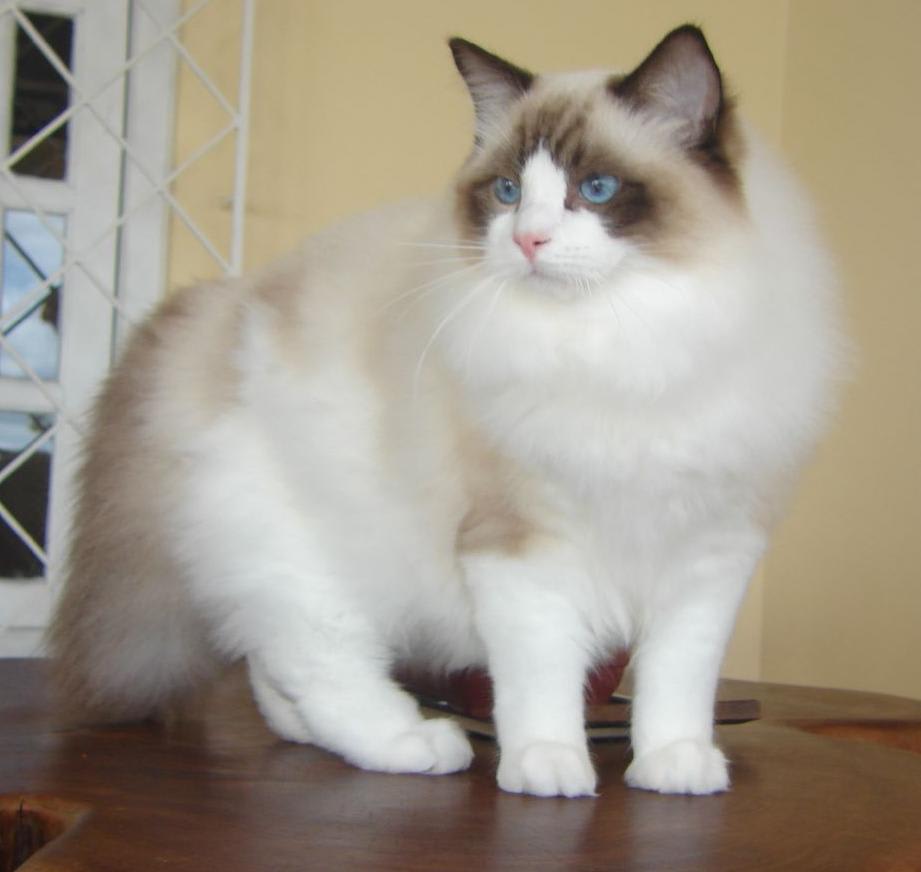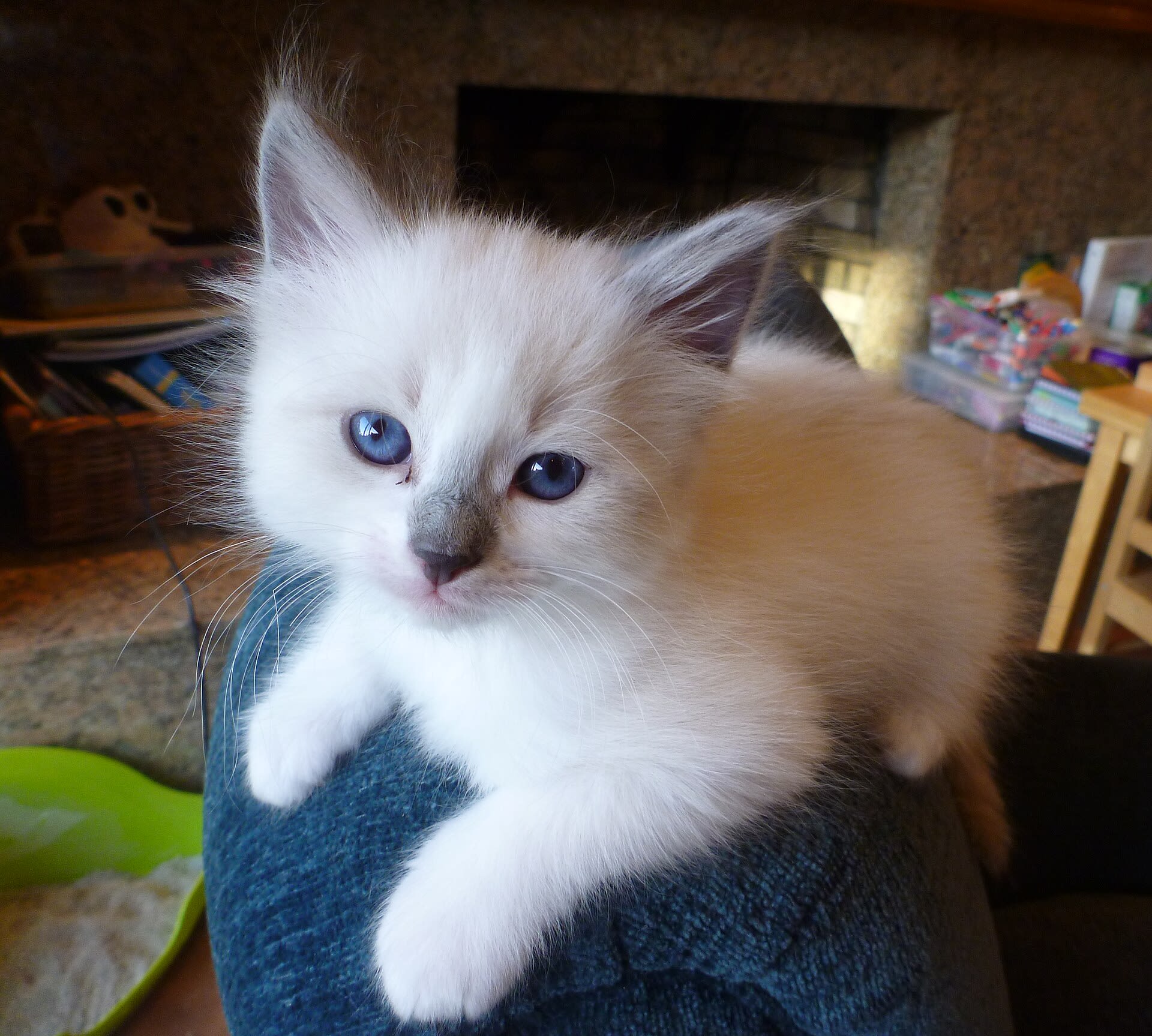
Those eyes at the dinner table are hard to resist. The honest answer to 'can my cat eat this?' is: sometimes, in tiny amounts, if it is plain — and sometimes absolutely not.
Cats are obligate carnivores. They need nutrients found in meat, and a complete, balanced cat food should make up almost all of what they eat. Treats of any kind are best kept small and occasional.
Human foods cats can usually eat in small amounts
- Plain cooked chicken or turkey, with no skin, bones or seasoning.
- Plain cooked lean beef.
- Cooked, boneless fish such as salmon or white fish.
- Cooked egg, scrambled or boiled without salt, butter or milk.
- A little plain cooked pumpkin, carrot, peas or green beans.
- A small piece of banana, blueberry or seedless watermelon — though many cats ignore fruit.
Foods that need caution
- Milk, cream and cheese: many adult cats cannot digest lactose well, which can cause stomach upset.
- Tinned tuna: fine as an occasional small treat, but it is not a complete diet.
- Raw meat, raw fish and raw egg: these carry a risk of bacteria and parasites.
- Liver: small amounts are fine, but too much can cause problems over time.
- Fatty or salty scraps, such as bacon rind and crisps.
- Dog food: a mouthful will not hurt, but it does not contain everything cats need.
Foods that are toxic to cats
- Onion, garlic, chives and leeks — raw, cooked or powdered.
- Chocolate, coffee, tea and energy drinks.
- Grapes and raisins.
- Alcohol and raw bread dough.
- Xylitol, an artificial sweetener found in some sugar-free products.
Be careful with foods that hide these ingredients: gravy, stock cubes, baby food, sauces and ready meals often contain onion or garlic powder.
A special warning about lilies
Lilies are not a food, but they belong on every cat owner's danger list. They are extremely toxic to cats, and even a small amount of pollen or vase water can be harmful. If you have a cat, it is safest not to have lilies in the home at all. If you think your cat has had contact with a lily, call a vet urgently.
How much is too much?
A cat is a small animal, so a 'small treat' really is small — a piece of chicken the size of your fingernail is plenty. A common guideline is to keep treats to a small fraction of the daily diet so that your cat still eats a balanced food. If your cat has a health condition or is on a special diet, ask your vet before adding anything new.
What to do if your cat eats something toxic
- Remove any remaining food and keep the packaging.
- Note what was eaten, roughly how much and when.
- Contact your vet or an emergency vet straight away — do not wait for symptoms.
- Do not try to make your cat vomit unless a vet tells you to.
Tip: Use our free checker to look up a specific food in seconds. It covers more than 40 everyday foods and marks each one safe, caution or toxic.
General information, not veterinary advice. If you are worried about your cat, contact your vet.