A story inspired by real rescues. Names, places and details are invented.
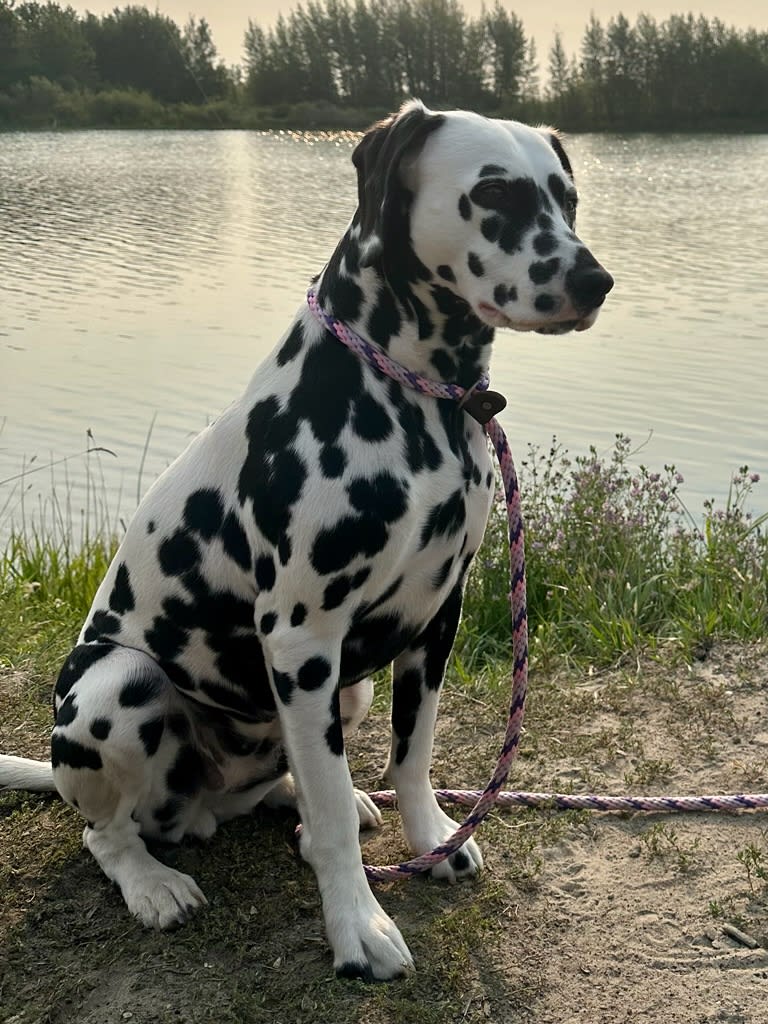
The first family loved how Cooper looked. They had watched a film, found the spotted puppy online and brought him home to a flat with a very small balcony. Within a month, the sofa was shredded and the neighbours were knocking. Within three, Cooper was back at the shelter.
The kennel staff did not blame the family, and they did not blame the dog. 'He's a Dalmatian,' said the manager. 'He needs a job and a runner. He just went to the wrong house.' Cooper spent six weeks in kennels, thinner and quieter than before.
Then came Ella. She ran half-marathons, lived near a park and had a tall garden fence. She arrived at the shelter with a notebook full of questions. How much exercise? How much training? What happens in a heatwave? She asked about his hearing, his diet and his history. The manager smiled for the first time that week.
They did a trial weekend first. Cooper ran beside her bicycle on a long line in the park, sat patiently at the road crossing and fell asleep on the kitchen floor with his legs twitching, chasing dreams. On Monday she signed the papers.
Cooper's behaviour changed, but not because he was 'trained out' of anything. His energy simply had somewhere to go. He learned a handful of tricks, joined a scent-work class and finally slept through the night.
On the anniversary of the second adoption, Ella baked Cooper a plain dog-safe biscuit and posted a photo. Under it she wrote: 'Wrong home, right dog. Right home, right dog.' It got more likes than anything she had ever posted.
Tip: Before adopting, match the dog's energy, size and needs to your real lifestyle — not just their looks. Ask the rescue about exercise needs, health, history and what support they offer, and consider a trial weekend or foster-to-adopt. If it is not working, speak to the rescue early; many would rather help than see a dog returned.
General information, not veterinary advice.