A story inspired by real rescues. Names, places and details are invented.
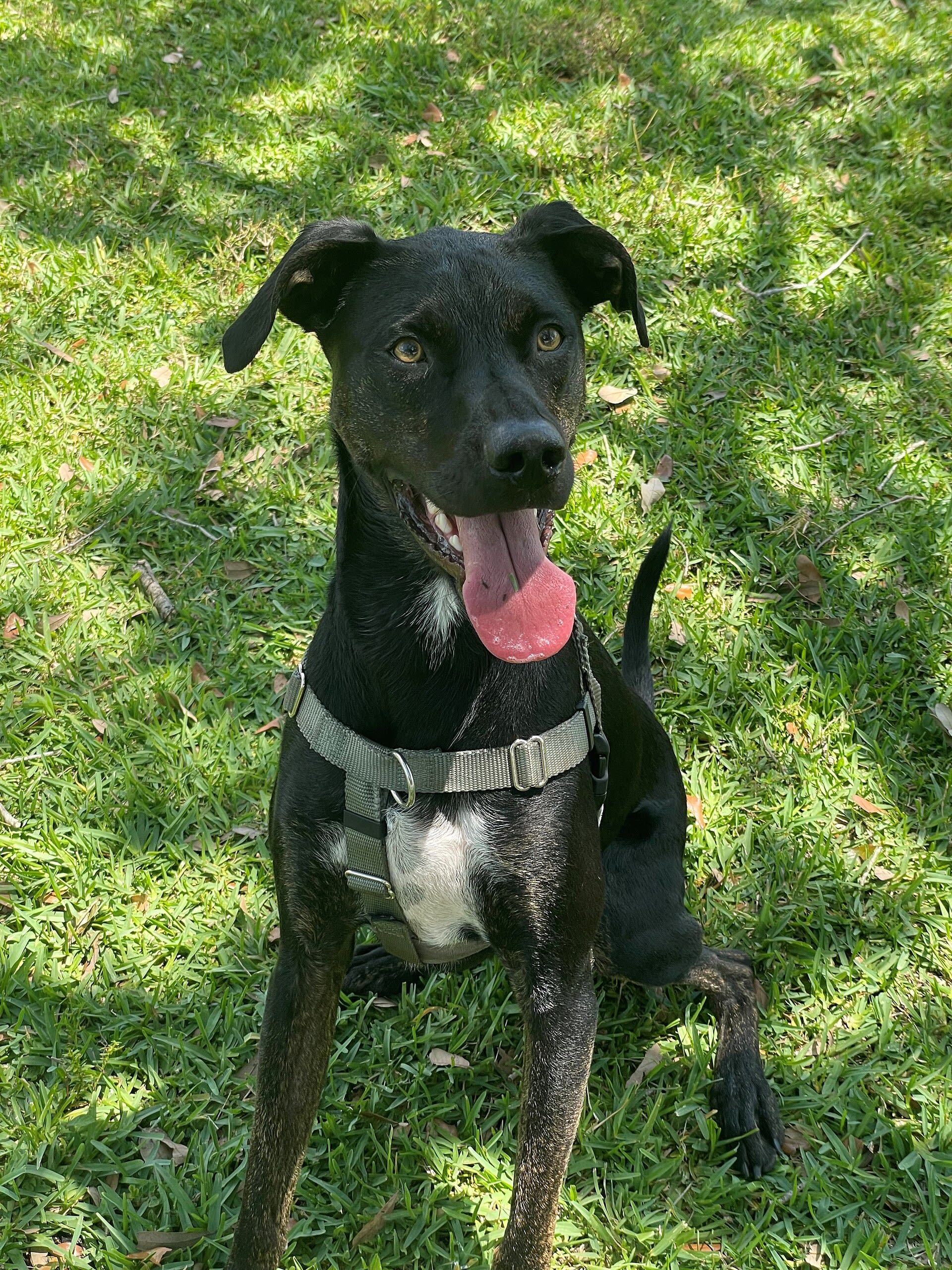
Nadia had bought the premium food, the stainless-steel bowl and a rubber mat to stop it sliding. What she had not planned for was a dog who would not look at any of it. Bruno, a brindle mixed-breed from the city shelter, sniffed the bowl, walked away and lay down facing the wall.
By the evening of day one she was texting the shelter volunteer in a small panic. The reply was kind and short: 'He's overwhelmed. New smells, new sounds, a new person. Give him a quiet corner and a bit of time. Eating often comes back on its own.'
So Nadia did something that felt wrong: she did less. She turned the television off, closed the curtains halfway and put Bruno's bowl in the hallway, where he could eat without being watched. She sat on the sofa with a book and pretended to read, never looking directly at him.
On the morning of day two he ate three pieces of kibble when she was in the shower. She found them gone and a neat little trail of crumbs across the tiles. She did not celebrate out loud. She quietly added a spoonful of warm water to his next meal, because the shelter had said he might like the smell.
By the evening he finished half a bowl. By day four he met her at the kitchen door at mealtime with his ears slightly forward, as if checking whether this was still a thing they did now. It was. It still is.
Looking back, Nadia realised how many small pressures she had accidentally added: hovering, coaxing, trying three different foods in one afternoon. 'I thought if I tried harder he'd eat,' she said later. 'He needed me to try less.'
A year on, Bruno eats with the enthusiasm of a dog who has never missed a meal in his life. He also sits next to his bowl for exactly two seconds before every dinner, a tiny habit from the shelter that she has never tried to change.
Tip: It is common for newly adopted dogs to eat less for the first day or two because of stress. Keep meals in a quiet place at the same times, avoid constantly changing foods, and don't hover. If a dog refuses food for more than a day or two, or seems unwell (vomiting, lethargy, diarrhoea), contact your vet — and call sooner for puppies, small dogs or dogs with health conditions.
General information, not veterinary advice.