Photo: Sannse, CC BY-SA 3.0, via Wikimedia Commons
Breed guide
Maltese
A small, silky-coated companion dog that thrives on closeness and a gentle, patient routine.
Published by Admin · Updated
- Size
- toy
- Weight
- 4–7 lb
- Height
- —
- Lifespan
- 12–15 years
- Gentle
- Playful
- Affectionate
At a glance: Toy (4 to 7 lb) · Moderate energy · Kids: best with older, gentle children · 12 to 15 years · Grooming: daily brushing or regular trims
Temperament
Maltese are affectionate, playful and happiest near their people, which also means some struggle with being left alone. They are friendly and tend to enjoy attention, though they can bark and be wary of rough handling. Gentle, reward-based training works best.
Daily life
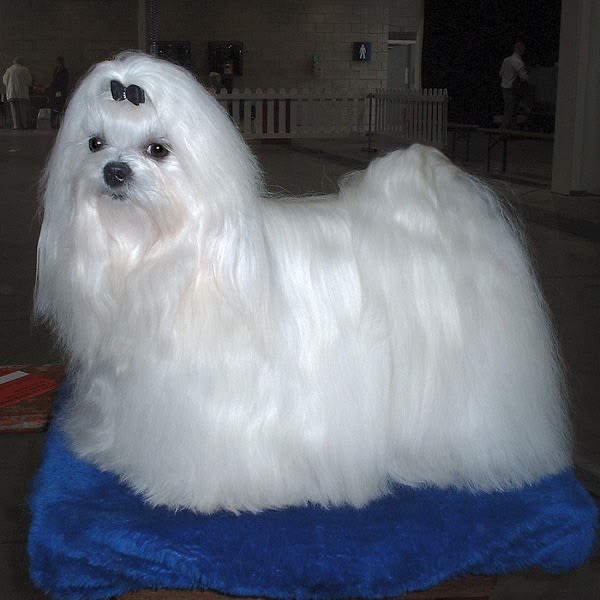
Daily walks, play and cuddles suit a Maltese. Their white coat tangles easily and can stain around the eyes, so plan on daily brushing and regular grooming or a short trim. Small dogs get cold easily, so a coat is useful in winter, and a harness is kinder than a collar.
Health to watch
Maltese can have dental disease, a slipping kneecap, eye problems such as tear staining and a tremor syndrome called white shaker dog syndrome. Keep teeth clean, watch weight and ask your vet about any trembling or limping. Tiny puppies can also have low blood sugar.
Rescue note
Maltese often come into rescue because of grooming demands or separation anxiety. A patient adopter at home for much of the day will give one a real second chance.
General information, not veterinary advice.
Health notes
Maltese can have dental disease, a slipping kneecap, eye problems such as tear staining and a tremor syndrome called white shaker dog syndrome. Keep teeth clean, watch weight and ask your vet about any trembling or limping. Tiny puppies can also have low blood sugar.
Maltese FAQ
How big does a Maltese get?
Adult Malteses typically weigh about 4 to 7 lb (roughly 2 to 3 kg), depending on the individual dog, its sex and its build.
How long do Malteses live?
Malteses typically live about 12 to 15 years. Good veterinary care, a healthy weight, exercise and genetics all play a part.
How much exercise does a Maltese need?
Daily walks, play and cuddles suit a Maltese. Their white coat tangles easily and can stain around the eyes, so plan on daily brushing and regular grooming or a short trim.
What health problems should I watch for in a Maltese?
Maltese can have dental disease, a slipping kneecap, eye problems such as tear staining and a tremor syndrome called white shaker dog syndrome. Keep teeth clean, watch weight and ask your vet about any trembling or limping. This is general information, not veterinary advice — ask your vet about your own dog.