A story inspired by real rescues. Names, places and details are invented.
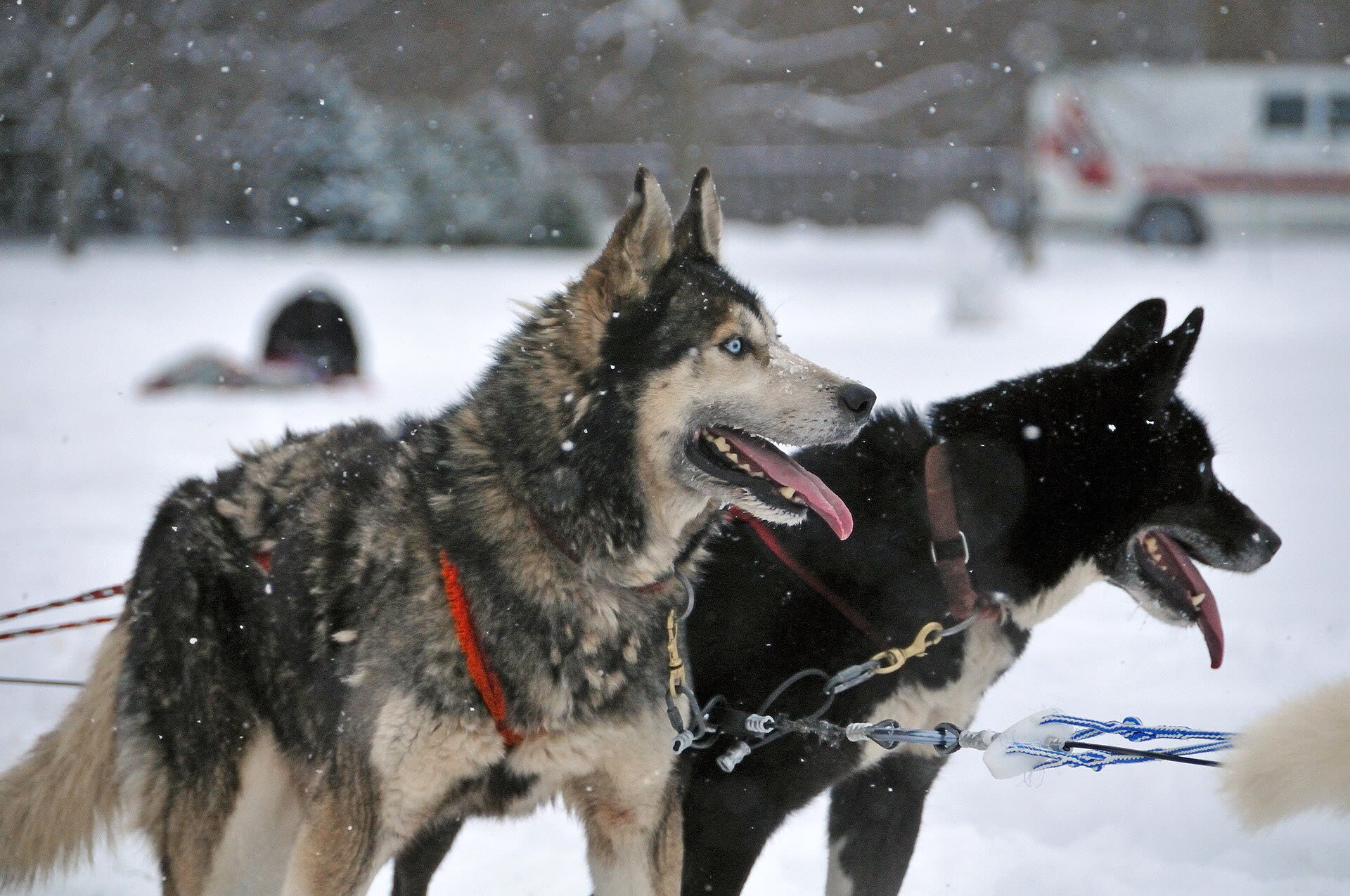
Luna had been a member of Sam and Jo's household for nine days when she disappeared for the first time.
They had checked the garden gate. They had checked the fence. What they hadn't checked was the corner behind the shed, where the ground was soft and a husky who had decided the world was too interesting to ignore had quietly dug a tunnel.
A neighbour found her two streets away, sitting calmly on someone's doorstep as if waiting for a bus. She was wearing a collar with a phone number and a microchip the shelter had registered in Sam's name. Within the hour, she was back, muddy and delighted.
"She isn't being bad," Jo said that night, while Sam filled in the hole. "She's bored. She's a sled dog living in a very small garden."
The next month became a project. Sam raised the fence and buried wire along its base. They added a latch Luna couldn't nudge open. Jo found a local running group, and within weeks Luna was jogging five kilometres before breakfast, tongue lolling, tail up, looking like she had been born for it. They hid food in puzzle toys. They played hide-and-seek in the evenings.
Luna still tested the fence. Occasionally she still tried the gate. But the dog who came home from a run, ate her dinner and fell asleep on her back with all four paws in the air did not seem to be plotting anything.
One morning, Sam found a note from the neighbour taped to the fence. It said, "We keep expecting to see her on our doorstep. We miss it."
Tip: Huskies and other high-energy breeds need strong, tall, dig-proof fencing, a lot of daily exercise and mental work. Keep a collar tag on at all times, make sure the microchip details are current, and never let them off leash in an unfenced area.
General information, not veterinary advice.