A story inspired by real rescues. Names, places and details are invented.
The volunteers at the shelter called him Bear, and every one of them agreed that he was the sweetest dog in the building. He was also the one who had been in his kennel the longest.
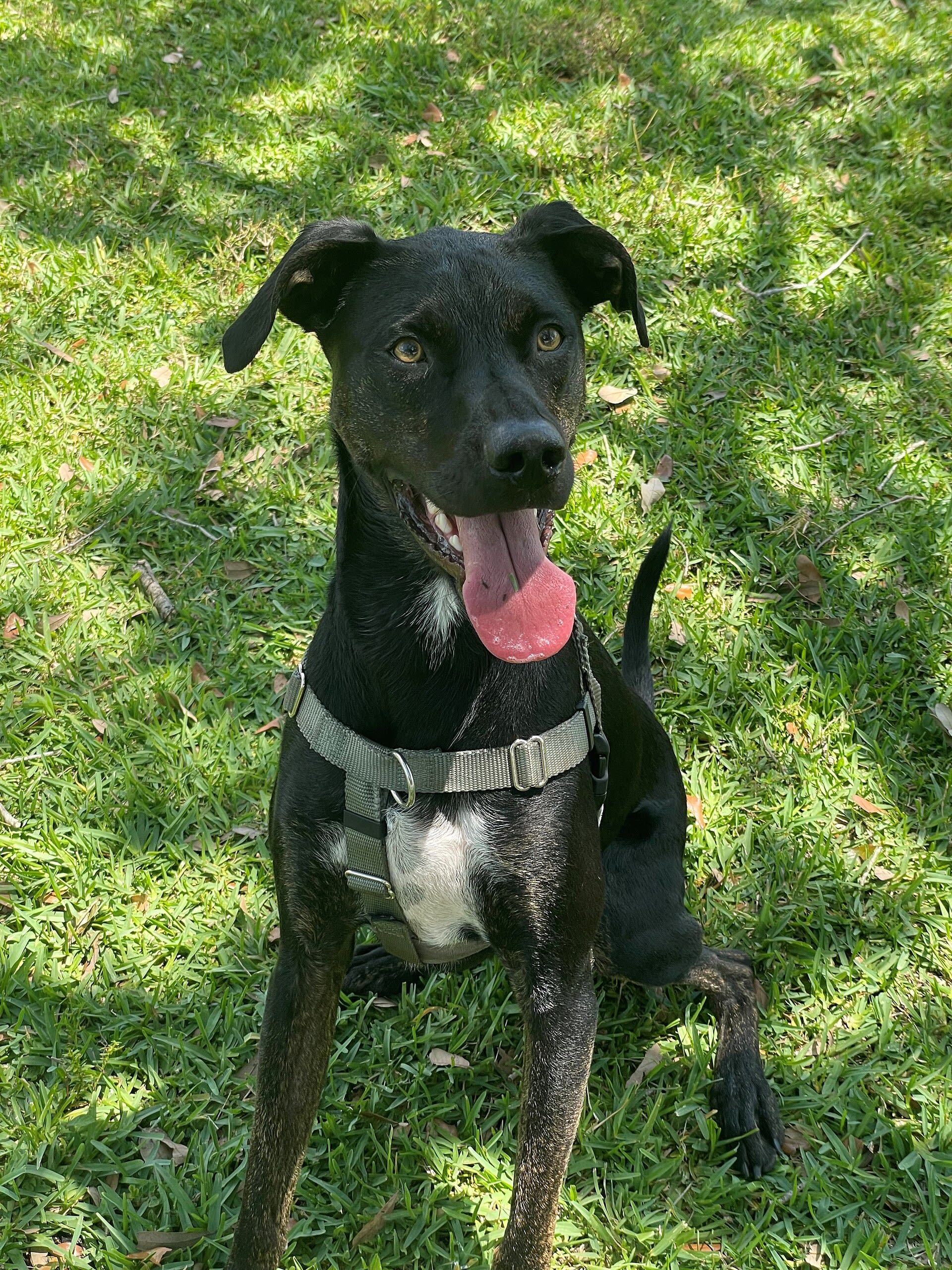
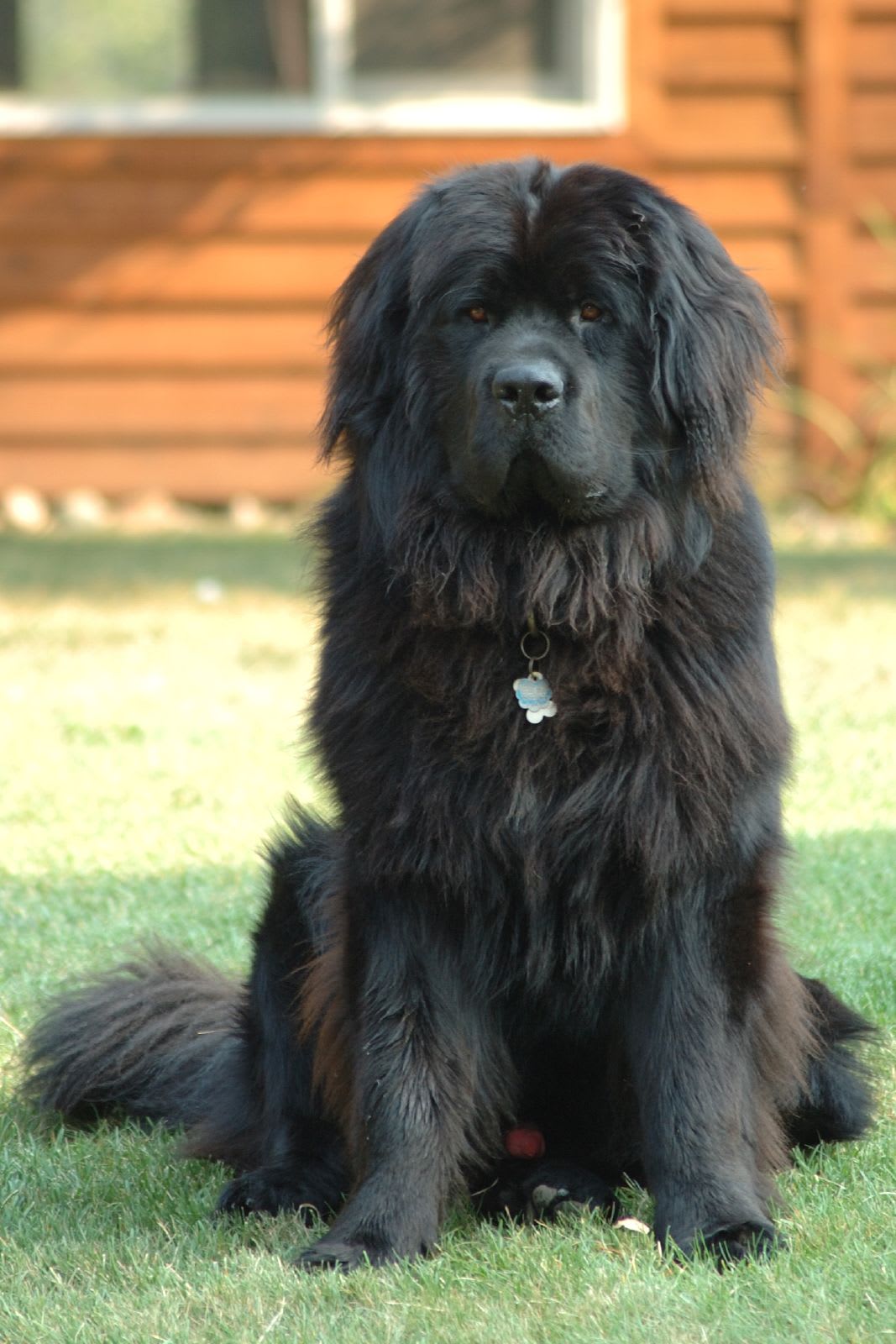
Bear was seventy pounds of black fur with a broad head and a face that, in photographs, turned into a dark smudge with two small lights for eyes. His adoption photo made him look serious, even sad. People walked past his kennel, glanced at the card and moved on to the smaller dogs with brighter pictures.
Meera, a retired teacher, did not go to the shelter to adopt a big dog. She went to volunteer for a few hours a week. But on her third visit, a staff member handed her Bear's lead and said, "Take him for a walk. Trust me."
He walked beside her without pulling. When a cart rattled past, he looked at it, then looked at Meera, then kept walking. At the end of the path, he sat down without being asked and leaned his whole weight against her leg.
"He does that to everyone," the staff member said, trying not to sound hopeful.
Meera went home and thought about it for two days. She read the notes: house-trained, good with other dogs, nervous about fireworks. She measured the corridor, bought a bigger bed and went back on Saturday.
In her small flat, Bear learned the sound of the kettle, the creak of her favourite chair and the exact moment the post arrived. He turned out to be afraid of balloons, in love with carrots and unable to sleep unless he could see her feet.
She had a better photo taken of him in the garden, in the afternoon sun, with his tongue out. It was the first picture where anyone could see how happy he was.
Tip: Judge a shelter dog by meeting him, not by his photo or his size. If you are an adopter, ask for a walk and read the behaviour notes. If you volunteer, photograph dark-coated dogs outdoors in soft daylight against a light background so their expressions show.
General information, not veterinary advice.