A story inspired by real rescues. Names, places and details are invented.
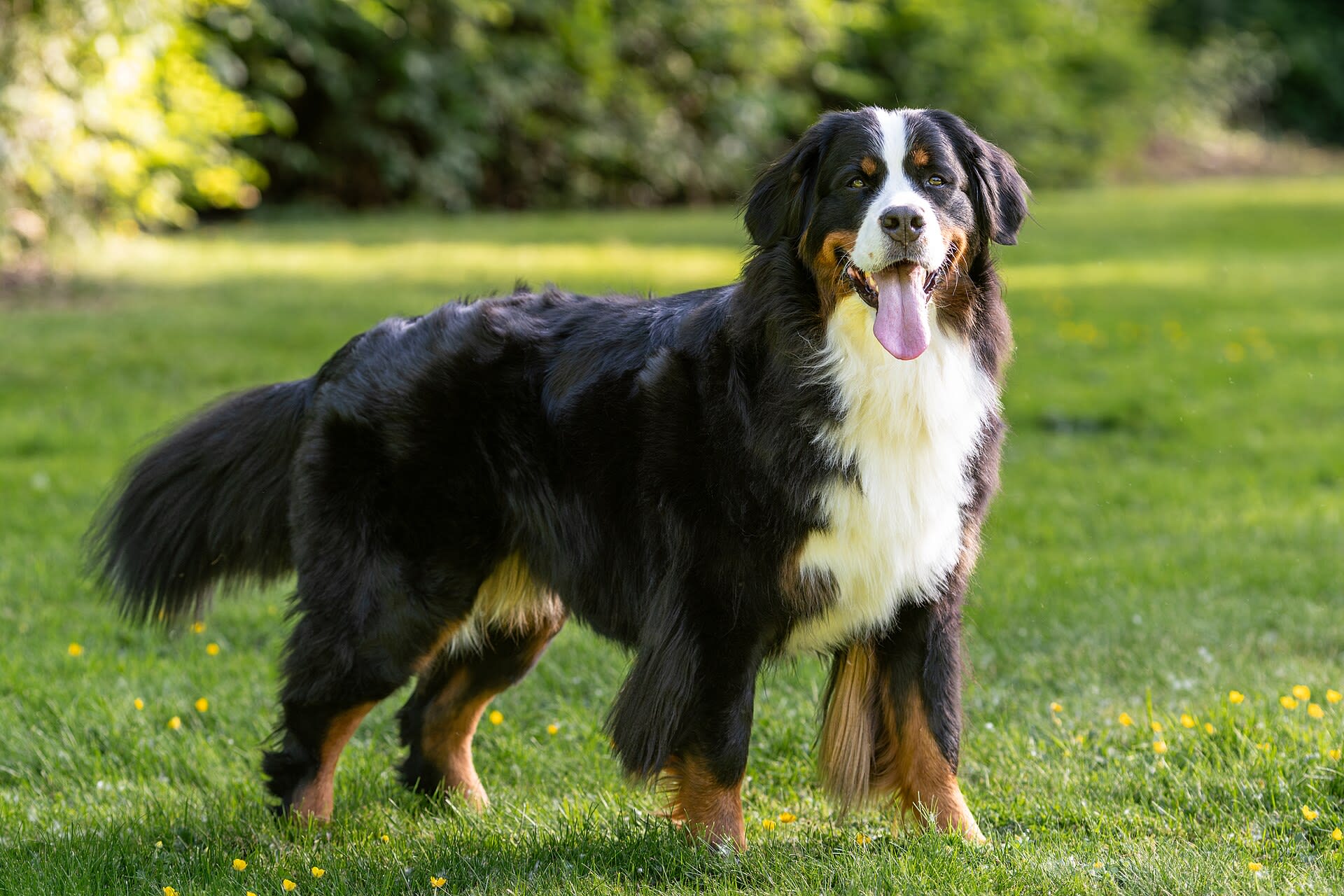
The vet was gentle and honest. Rufus, ten years old and the biggest softie in the neighbourhood, had arthritis and an illness that medicine could slow but not stop. 'We have time,' she said. 'Let's make it good time.'
That evening Emma sat on the kitchen floor with a notebook and wrote a list titled 'Rufus's Best Things'. The slow walk to the end of the road and back. Ice cubes in the garden. The sun-warm patch of carpet beside the back door. Plain chicken on a Sunday. Not extraordinary things. Just his things.
The family took the list seriously. They swapped long walks for short, frequent ones. They bought a ramp for the car and an orthopaedic bed for the sitting room, and put rugs on the slippery floor. The vet adjusted his pain medicine twice, and each time Rufus's tail wagged a little more freely.
In July they drove to the lake, where Rufus waded in up to his chest and stood very still, eyes half closed, while the water carried his weight. Emma took a photo she would look at for years: a huge, wet, blissful dog with his head tilted to the sun.
In late August the good days began to thin. The vet came to the house, and the family sat in a circle on the garden grass with Rufus's head in Emma's lap. There was no hurry and no fear. It was quiet, and kind, and full of love.
They planted a young tree where he used to lie. Emma still writes lists, though now they are for the next rescue dog she hopes to welcome. At the top of each she writes the same words: 'Make the ordinary things count.'
Tip: With a senior dog, a regular vet check, good pain control, soft bedding, ramps and shorter, gentler outings can make daily life much more comfortable. Ask your vet about quality-of-life assessments and how to recognise when your dog's suffering outweighs the good days; they can guide you through decisions with compassion.
General information, not veterinary advice.